Health Disclaimer: I am not a medical professional. The information in this post is based on personal experience and cited research. Please consult your doctor or a licensed mental health provider before making changes to your sleep routine, especially if you have a diagnosed sleep disorder or mental health condition.
Three years ago, I was averaging five hours of broken sleep a night and wondering why my anxiety felt completely unmanageable. My therapist kept circling back to the same topic: sleep hygiene mental health improvement. She said it like it was the most obvious thing in the world. I nodded politely and kept scrolling my phone until 1 a.m. Then, after one particularly brutal week where I cried in a grocery store parking lot for no reason I could name, I finally decided to take her seriously. I committed to a strict 90-day sleep hygiene protocol and documented my mental health weekly in a journal. What happened genuinely surprised me — and I have kept every single habit since.
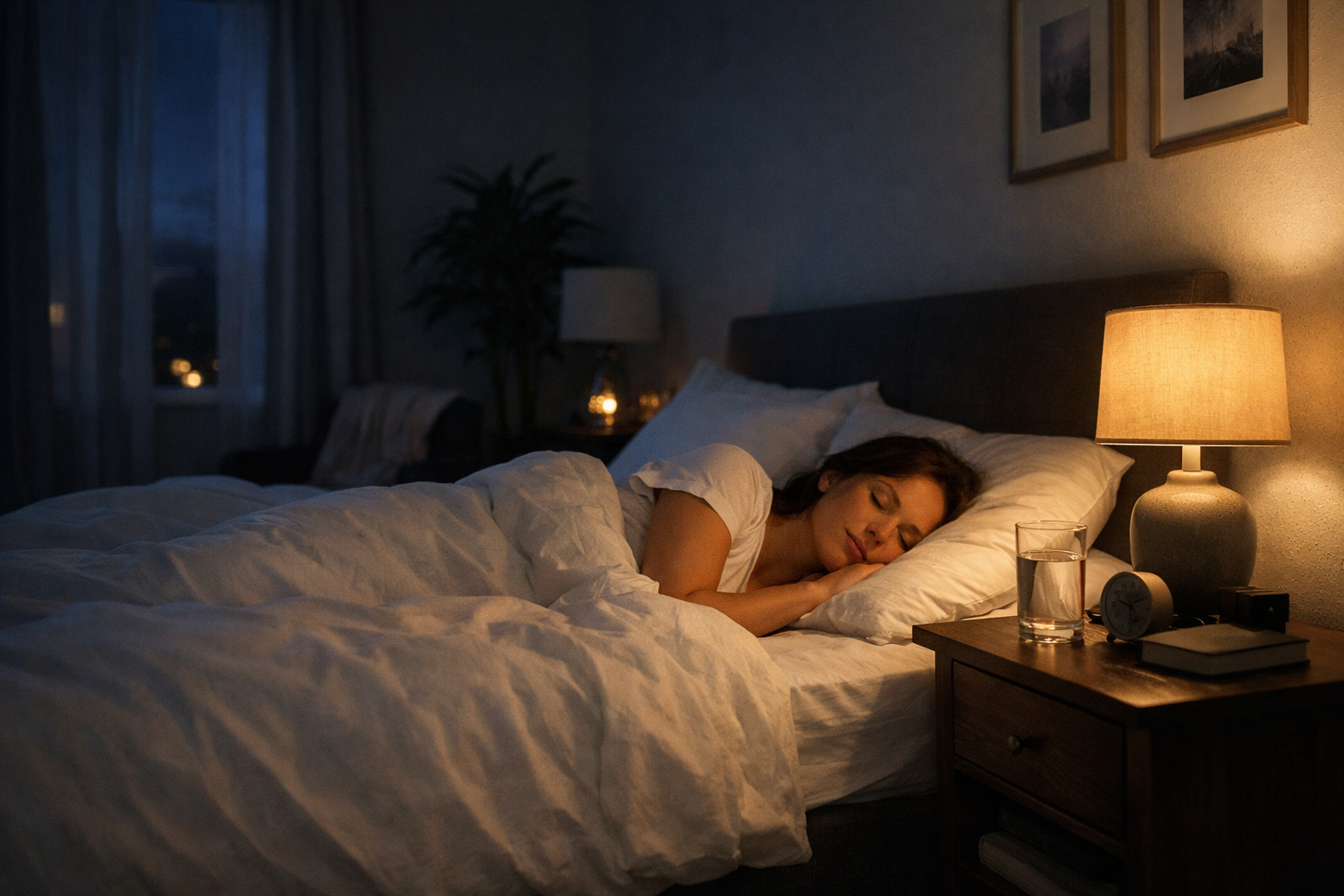
Why Sleep and Mental Health Are More Connected Than Most People Realize
Before I walk you through what I actually did, I want to share the science that convinced me this experiment was worth taking seriously. Research published in JAMA Psychiatry found that insomnia significantly increases the risk of developing major depression and anxiety disorders. A separate study from the University of California, Berkeley showed that sleep deprivation amplifies the brain’s emotional reactivity by up to 60 percent, essentially shutting off the prefrontal cortex’s ability to regulate your responses to stress. In plain English: when you are not sleeping well, your brain loses its emotional brakes.
This explained so much about my experience. The irritability, the catastrophic thinking, the sense that every minor inconvenience was a five-alarm emergency — these were not personality flaws. They were symptoms of a brain running on empty. According to the American Psychological Association, adults who sleep fewer than six hours per night report significantly higher stress levels than those who sleep eight hours. I was living proof of that statistic, and I was done accepting it as normal.
The 7 Habits I Committed to for 90 Days
I kept the protocol simple enough to actually follow but strict enough to mean something. Here is exactly what I did every day for ninety days.
1. A Non-Negotiable Bedtime and Wake Time
I chose 10:30 p.m. as my bedtime and 6:30 a.m. as my wake time — even on weekends. Sleep researchers call this “social jet lag” when you deviate on weekends, and studies show it disrupts your circadian rhythm in ways that ripple through the entire following week. Keeping consistent times was probably the single hardest and most impactful change I made.
When Light Pollution Is Sabotaging Your Sleep Architecture—and Your Anxiety
One of the first things I noticed in my own 90-day experiment was how much ambient light—from streetlamps, phone screens, and early dawn—was fragmenting my sleep cycles and keeping my nervous system primed for threat. If you’re waking at 3 a.m. in a panic or struggling to fall back asleep, your brain may literally be responding to light cues that are preventing the deep sleep your anxiety regulation desperately needs.
What works
- Creates genuine darkness that allows melatonin to rise naturally—this isn’t a small thing when you’re trying to reset a dysregulated sleep-wake cycle that feeds anxiety.
- Stays in place through the night and doesn’t shift with REM movement, so you’re not waking to adjust it at 2 a.m., which breaks the continuity of sleep architecture you’re trying to rebuild.
- Gives you a low-stakes way to control your sleep environment when other variables (partner’s schedule, neighborhood noise, shift work) feel immovable.
What doesn’t
- A sleep mask won’t address the root causes of anxiety—if your racing thoughts are what’s keeping you awake, a mask alone won’t fix that, and it may become one more thing to blame yourself for if sleep still doesn’t come.
- Requires genuine trial-and-error; some people find any face covering claustrophobic or irritating, and the “right” mask often takes a few weeks to identify and adjust to.
I’ve had clients who found a sleep mask transformative and others who felt it made anxiety worse by adding pressure to their face—and that difference often came down to whether they’d already done some cognitive work on the anxiety itself. Still, for light-sensitive sleepers, it’s one of the first environmental changes I recommend. Vynix Sleep Mask for Men Women
Related reading: Best Sleep Supplements in 2025: Melatonin, Magnesium, L-Theanine — What I Actually Use
Vynix Sleep Mask for Men Women
Blocking light consistently enough that my melatonin actually rose, without waking me to readjust it.
Check Price on Amazon →This post contains affiliate links. As an Amazon Associate, I earn from qualifying purchases at no extra cost to you.