Health Disclaimer: This post is for informational purposes only and does not constitute medical advice. If you are experiencing persistent sleep problems or mental health concerns, please consult a qualified healthcare professional.
Two weeks into a work trip across three time zones, something shifted in me that I could not immediately name. I was eating fine, exercising when I could, staying connected with people I love. But a flat, gray feeling had settled over everything like a fog that would not lift. Small frustrations felt enormous. I cried watching a mediocre movie on the hotel TV. I snapped at a colleague over nothing and spent an hour spiraling in guilt afterward. It was not until I got home, slept properly for three nights in a row, and felt genuinely like myself again that I understood what had happened: poor sleep effects on mental health are real, they are measurable, and they had quietly dismantled my emotional life for two full weeks without me fully connecting the cause.
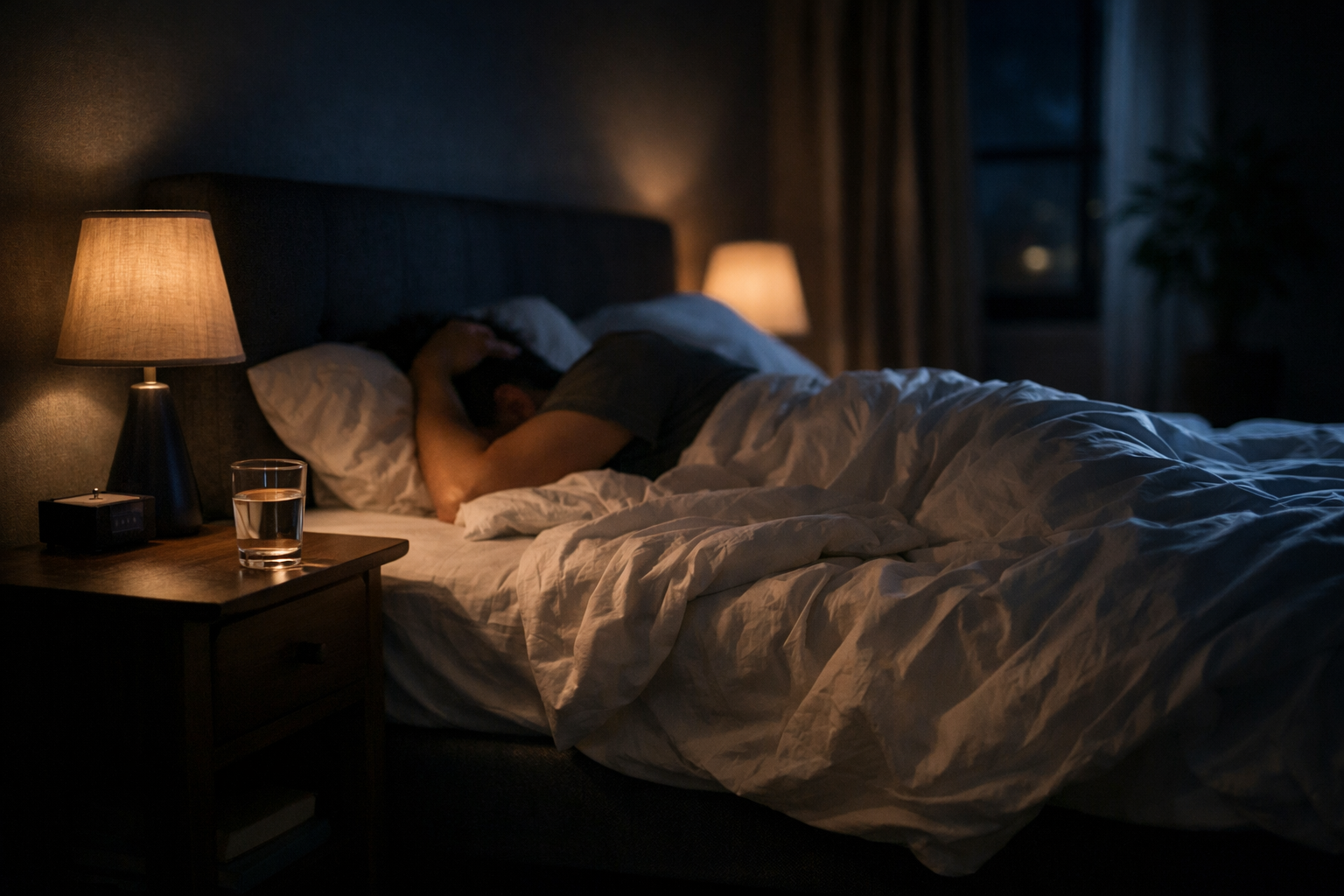
What Actually Happens to Your Brain When You Do Not Sleep Well
Most people think of sleep deprivation as simply feeling tired. The science tells a much more alarming story. During deep sleep, your brain runs what researchers at the University of Rochester have described as a kind of biological dishwasher — the glymphatic system flushes out metabolic waste products, including proteins associated with Alzheimer’s disease. But the emotional consequences of poor sleep are just as striking as the long-term physical ones.
A landmark study published in the journal Current Biology found that sleep-deprived individuals showed a 60 percent increase in emotional reactivity in the amygdala — the brain’s alarm center — compared to well-rested subjects. More troubling, the connection between the amygdala and the prefrontal cortex, the rational part of your brain that normally puts emotions in context, essentially goes offline under sleep deprivation. You feel everything more intensely and think about it less clearly. That is not a personality flaw. That is neuroscience.
The relationship between sleep and mental health also runs in the other direction, which is what makes it so difficult to break free from. Anxiety makes it hard to sleep. Poor sleep increases anxiety. Depression disrupts sleep architecture. Disrupted sleep worsens depressive symptoms. Researchers at Harvard Medical School have noted that people with insomnia are ten times more likely to develop clinical depression than those who sleep well. This is not a chicken-and-egg debate — it is a feedback loop, and understanding that loop is the first step toward breaking it.
The Specific Mental Health Symptoms That Poor Sleep Triggers
During my two-week stretch of bad hotel sleep, I experienced nearly every item on the following list without recognizing the common thread. If any of these sound familiar, your sleep quality deserves serious attention.
- Increased irritability and a shorter emotional fuse
- Heightened anxiety and a tendency to catastrophize
- Difficulty concentrating or making simple decisions
- A flattened or low mood that resembles mild depression
- Social withdrawal and reduced empathy toward others
- Increased negative self-talk and rumination
- Heightened sensitivity to perceived criticism or rejection
Research published in Sleep Medicine Reviews confirms that chronic sleep restriction — defined as consistently getting less than seven hours per night — is associated with significantly elevated rates of generalized anxiety disorder, major depressive disorder, and even suicidal ideation. These are not minor inconveniences. They are clinical outcomes tied directly to something many of us treat as optional: a full night of quality rest.
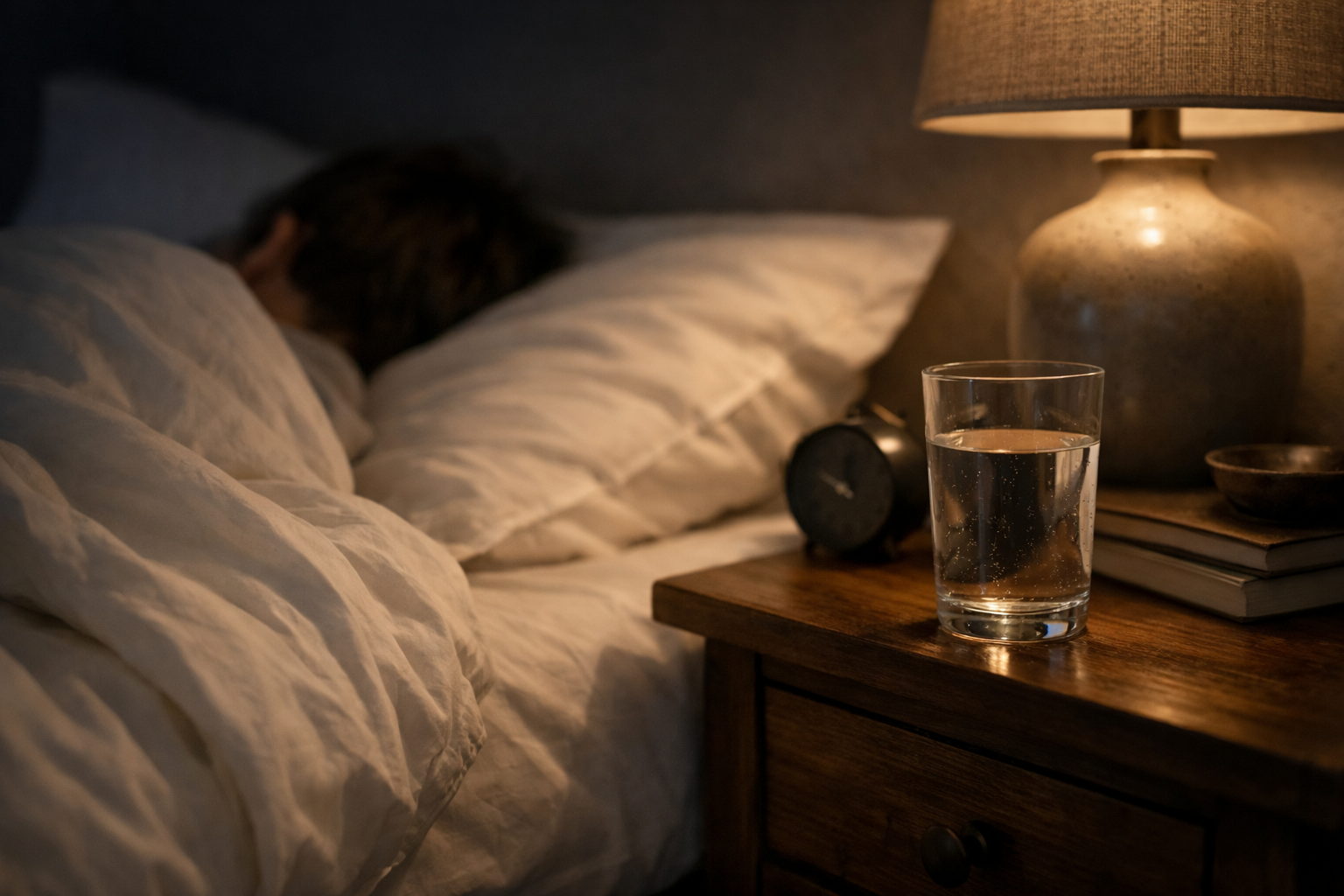
When Racing Thoughts Won’t Stop at Bedtime: The Sound Machine That Actually Quiets the Mental Noise
One of the cruelest features of sleep deprivation-driven depression is that your mind becomes loudest precisely when you need it quietest. The rumination, the worry spirals, the replaying of conversations—they all amplify at night, making it nearly impossible to fall asleep, which then deepens the depression itself.
What works
- White noise and ambient sounds create what I call “sonic scaffolding”—they give your anxious brain something neutral to anchor to instead of your own catastrophic thoughts, which is especially helpful in the 10–20 minutes before sleep when rumination peaks.
- A dedicated sound machine is more reliable than phone apps because it doesn’t tempt you to scroll, doesn’t emit blue light, and won’t vibrate with notifications at 2 a.m. when you’re already fragile.
- The Dreamegg D1 Nova has enough variety of sounds (rain, ocean, forest, brown noise) that you can experiment without overthinking—which matters, because when depression clouds your decision-making, you need tools that just work out of the box.
What doesn’t
- A sound machine cannot fix underlying sleep debt or address the circadian rhythm disruption that comes with depression—it’s a support, not a cure, and some people find white noise irritating rather than soothing, which is perfectly valid and not a personal failing.
- If your sleep problems are driven by sleep apnea, restless leg syndrome, or other medical conditions, this will help with comfort but won’t address the root cause, and you’d need professional sleep medicine evaluation first.
I’ve occasionally seen clients become dependent on sound machines as a crutch for avoidance—using noise to dodge the harder work of addressing anxiety—so I always pair this with the other sleep hygiene practices in this post. That said, for most people wrestling with racing thoughts at bedtime, the Dreamegg Sound Machine D1 Nova is a genuinely practical investment.
About This Article

Written by Sarah Mitchell. Sarah Mitchell isn't a therapist. She got interested in how the mind works after her own struggle with anxiety in her twenties, and has spent 16 years since then reading and personally testing cognitive behavioural therapy (CBT), acceptance and commitment therapy (ACT), and attachment-based approaches. Her writing combines that research with genuine compassion for how hard mental health struggles actually are. More about this site.
Scope and limits. Sarah is not a licensed therapist or clinician, and nothing here is a substitute for care. If you are in crisis or thinking about harming yourself, call or text 988 in the US to reach the Suicide & Crisis Lifeline.
Verify this against a primary source
Specifics change, and your situation may differ from the one described here. These are the authorities worth checking directly:
- NIMH — mental health research and condition information
- SAMHSA — treatment locator and the 988 Suicide & Crisis Lifeline
- American Psychological Association — evidence-based practice guidance