I don’t have children. I’ve never changed a nappy, negotiated screen time, or sat through a parents’ evening. So when I first picked up Hold On to Your Kids: Why Parents Need to Matter More Than Peers by Gabor Maté and Gordon Neufeld, I approached it with the kind of curiosity you reserve for books about experiences you haven’t had.
What I didn’t expect was to see myself — the younger version of me — on nearly every page.
This book, published in 2004, has become something of a quiet landmark in parenting literature. It’s not about parenting hacks or discipline techniques. Instead, Maté and Neufeld dig into something more fundamental: how attachment works in children, why it matters, and what happens when modern life systematically erodes it. Their central argument is that children are biologically wired to attach to adults — to orient toward parents and caregivers for safety, values, and identity. But in recent decades, something has shifted. More and more children are orienting toward peers instead. And that, they argue, is a problem.
Reading it made me understand my own childhood in new ways. But it also helped me see why so many parents I know are struggling — not because they’re doing parenting “wrong,” but because they’re navigating a culture that’s working against them.
What “Attachment Orientation” Actually Means
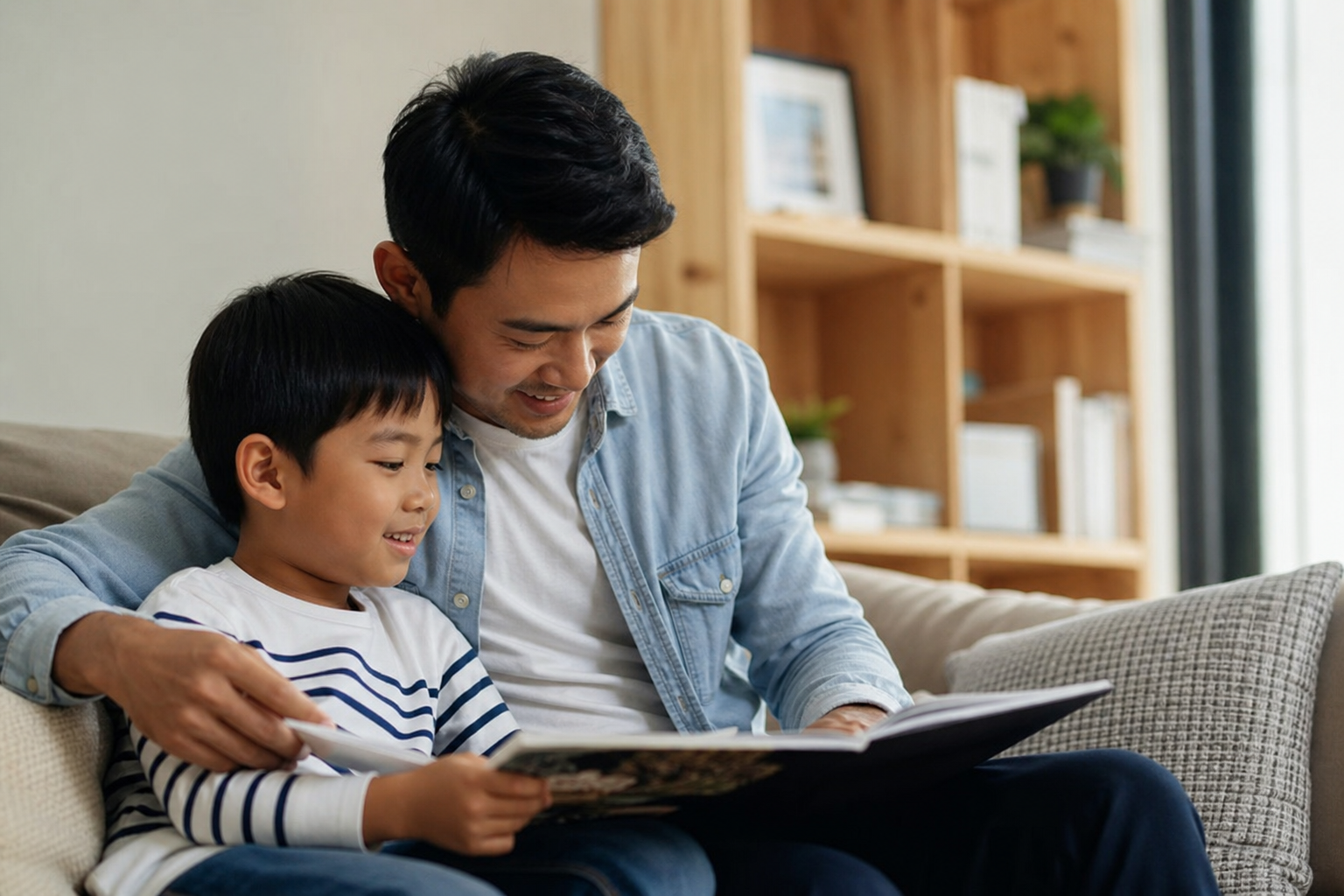
Let’s start with the foundation. Gabor Maté parenting philosophy — at least in this book — rests on a single, neurobiological truth: children need to feel deeply connected to an adult who is in charge of them.
But “in charge” doesn’t mean authoritarian. It’s not about control or dominance. It means being the person the child looks to — the person who represents safety, guidance, and belonging. It’s the attachment figure.
This isn’t a cultural preference or a parenting style choice. It’s wired into our biology. When children don’t have this — when they don’t feel that secure orientation toward a parent or trusted adult — their nervous systems stay activated. They become anxious, dysregulated, and they start searching elsewhere for that connection.
Think about what happens to a toddler in a supermarket who loses sight of their parent. That panic? That’s not neediness. That’s a biological alarm system telling the child they’ve lost their anchor. Children need that anchor.
The problem, Maté and Neufeld argue, is that we’ve stopped talking about attachment this way. We talk about independence, resilience, and socialisation. These things matter. But they can’t substitute for the basic neurobiological need to be securely attached to a caring adult.
When I read this, I thought about my own parents — who loved me deeply, who worked hard to provide for me, but who were often emotionally unavailable due to their own stress and circumstances. I didn’t lack food or safety. But I did lack what Maté calls “attunement” — that sense of being truly seen and guided by the adults responsible for me.
Peer Orientation — When Children Look to Other Children
Here’s where the book gets uncomfortable — and important.
Maté and Neufeld describe a phenomenon they call “peer orientation.” This is what happens when children, unable to attach to parents or caregivers, instinctively turn to peers to fill that attachment void.
On the surface, this might sound fine. Aren’t children supposed to have friendships? Shouldn’t they develop peer relationships?
Yes — but not as a replacement for parent attachment.
The problem is that peers cannot meet the attachment needs that children have. Other children are still figuring out who they are. They have the same developmental needs. They’re not equipped to be guides, models, or sources of stable belonging. So when children orient primarily toward peers, they become peer-dependent, peer-pressured, and anxious about fitting in. They’re constantly negotiating their identity with people who are just as confused as they are.
Peer-oriented children also struggle more with mental health. They’re vulnerable to bullying, social anxiety, and the constant emotional turbulence of peer hierarchies. They’re looking to peers for approval and belonging — things that only secure relationships with adults can truly provide.
The correlation is stark: the more peer-oriented a child is, the more behavioural and emotional problems they tend to have. This isn’t because friendships are bad. It’s because friendships, no matter how good, cannot substitute for the stabilising presence of an attached, attuned adult.
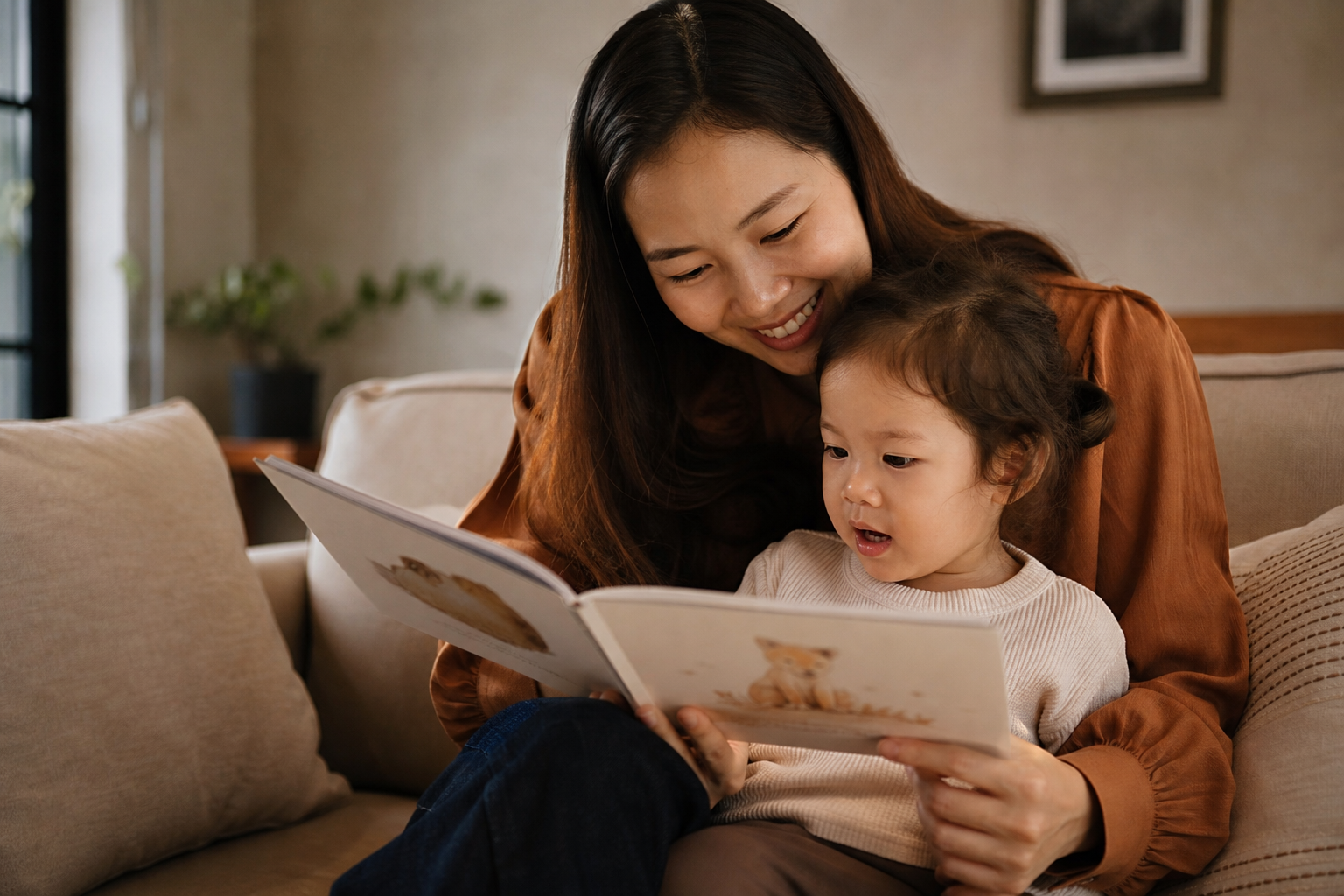
Reading this, I recognised myself in my teenage years. My parents’ marriage was fracturing. Both were stressed, working, emotionally withdrawn. My older brother and I had a distant, sometimes tense relationship. So I oriented hard toward my peer group — seeking approval, identity, and belonging from friends who were equally lost and equally needy.
It worked, in a way. I had a social identity. But I was also anxious, hyperaware of what others thought, and vulnerable to every shift in the friendship group. Looking back, what I needed wasn’t better friendships. I needed my parents present and attuned to me. That would have given me the security to have healthier friendships.
Why Modern Life Is Accidentally Eroding Parent-Child Attachment
Maté doesn’t blame parents. This is important to say upfront. He’s careful, in this book, to acknowledge the structural forces that make attunement harder.
Modern parents are working longer hours. Many have little flexibility. The pressure to provide financially, combined with limited parental leave or support, means less time and emotional energy for presence with children. Parents are stressed, burnt out, and often too depleted to offer the attunement their children need.
Daycare has also changed the landscape. Again — Maté is nuanced here. He’s not anti-daycare. But he argues that the rise of institutional childcare, combined with reduced hours with parents, has shifted where children orient for attachment. When children spend long days with peers and non-familial caregivers, and their parents are absent or emotionally unavailable when home, that attachment anchor weakens.
Schools have shifted too. There’s been a cultural move toward emphasising peer socialisation and peer learning — which has benefits — but often at the expense of strong adult-child relationships. Children spend their days in peer-dominated environments, with teachers stretched across 30+ students, and little room for the kind of one-on-one attunement that builds secure attachment.
And then there are devices and digital culture.
Discipline Through Relationship, Not Consequences
One of the most practical parts of Hold On to Your Kids is what Maté and Neufeld say about discipline.
Traditional parenting advice often focuses on consequences: clear rules, logical outcomes, consistency. If your child breaks curfew, they lose their phone. If they don’t do homework, they can’t go out. The logic seems sound.
But Maté and Neufeld argue that discipline without relationship is largely ineffective — and potentially harmful.
What actually works, they say, is this: a child who is securely attached to you will want to please you. Not from fear of punishment. Not from external reward. But because your approval and your relationship matter to them.
When a child is peer-oriented or disconnected from their parents, consequences become the only leverage. And consequences alone are weak. Peer-oriented children often care more about what their friends think than what their parents will do to them.
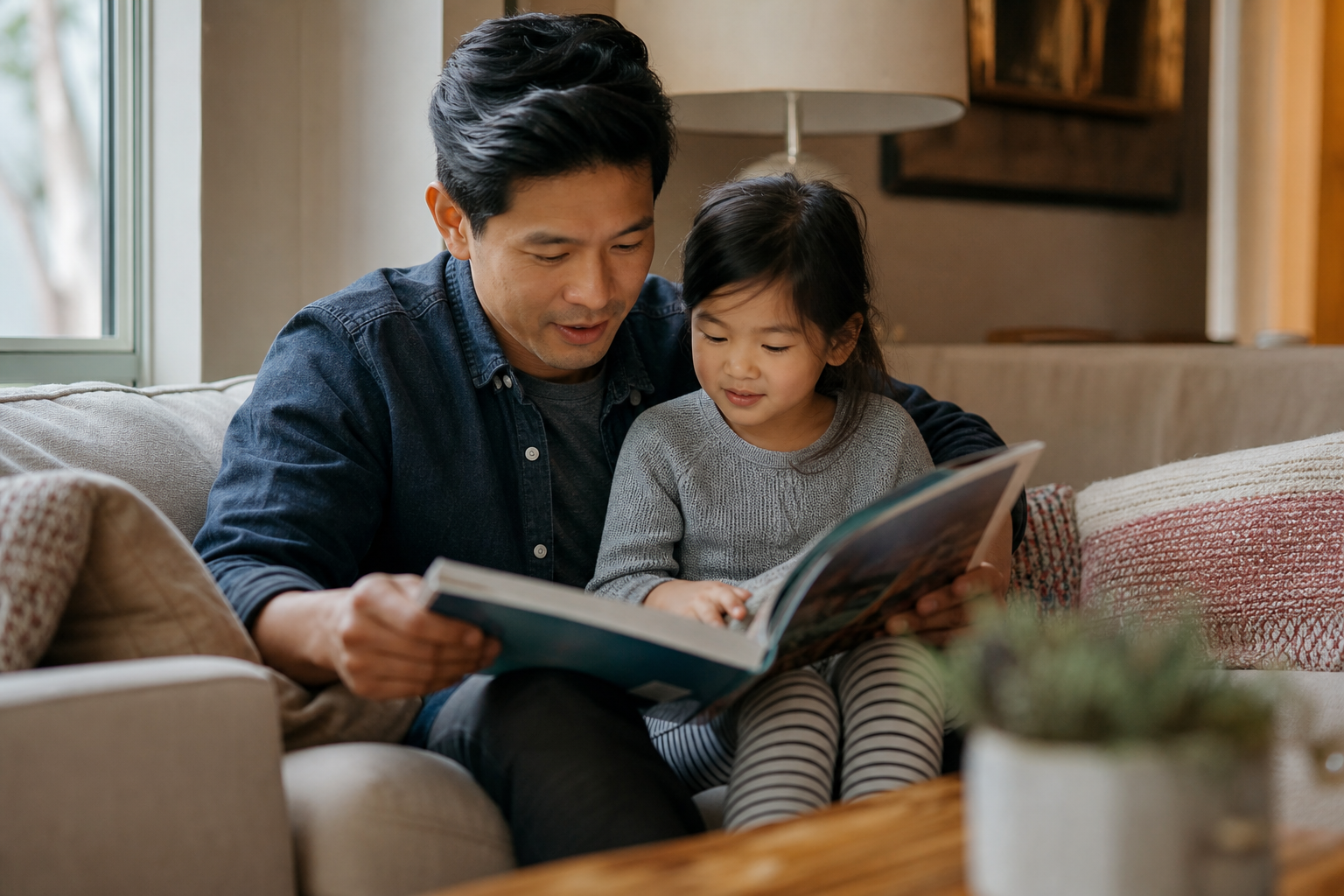
But when a child is securely attached, discipline works differently. It flows through the relationship. You can talk to them about why something matters. You can express disappointment, and it lands because your opinion matters to them. You can set limits, and they’re more likely to respect them because they don’t want to damage the relationship.
This reframing shifts the entire parenting conversation. It’s not about finding the “right” consequence. It’s about maintaining and deepening the relationship so that your guidance actually influences your child.
Screens, Social Media, and the Ultimate Peer Universe
Maté didn’t live to see the full explosion of social media, but his observations about screens and peer orientation feel eerily prescient.
Screens don’t create peer orientation — but they turbochrage it. A child who’s already oriented toward peers now has constant access to them. They’re in group chats, on Instagram, on TikTok. They’re receiving real-time feedback about their social status. They’re comparing themselves to peers constantly. They’re sleeping with their phone, waking up to messages.
Social media is, in many ways, the ultimate peer-oriented universe. It’s designed to make you care about what other people think. It’s built on peer approval (likes, comments, shares). It removes the steadying presence of adults. And it accelerates the anxiety and dysregulation that comes from peer-dependent belonging.
For children already disconnected from parents, this is catastrophic. The phone becomes the peer group, always available, always stimulating, always demanding attention.
Interestingly, Maté’s solution isn’t to ban screens — it’s to strengthen parent-child attachment first. When children feel secure in their relationship with parents, they’re more likely to make healthier choices about screens. When they’re peer-oriented and anxious, screens become a lifeline.
What This Book Taught Me About My Own Childhood
I keep coming back to this: I’m not a parent, and I don’t have children. But reading Hold On to Your Kids felt like reading my own childhood in code.
Growing up, my parents loved me. They provided. But they were also stressed, emotionally unavailable at times, and struggling with their own unresolved attachment issues. So I oriented toward my peer group. I found identity there. I sought approval from friends. I was hyperaware of social dynamics.
It worked, for a time. But it also made me anxious, people-pleasing, and dependent on external validation. I didn’t develop a secure sense of self that came from being truly known and accepted by my parents. Instead, I developed a fluid, reactive self that shifted based on what I thought peers wanted from me.
It took years to untangle this. To build a stronger sense of self that wasn’t contingent on peer approval. To repair my relationship with my parents as an adult and work toward more secure attachment.
Reading Maté’s work made me understand this pattern in myself — not to blame my parents, but to understand what I’d been missing, and why I’d had to work so hard to develop security later in life.
It also made me recognise how much cultural pressure we put on parents to be perfect, while simultaneously removing the structural supports that make secure parenting possible. We expect parents to work full-time, be emotionally present, manage their own mental health, and raise securely attached children — all while cultural forces (peer-oriented schools, devices, economic stress) pull against them.
The Book That Reframes the Whole Parent-Peer Attachment Question
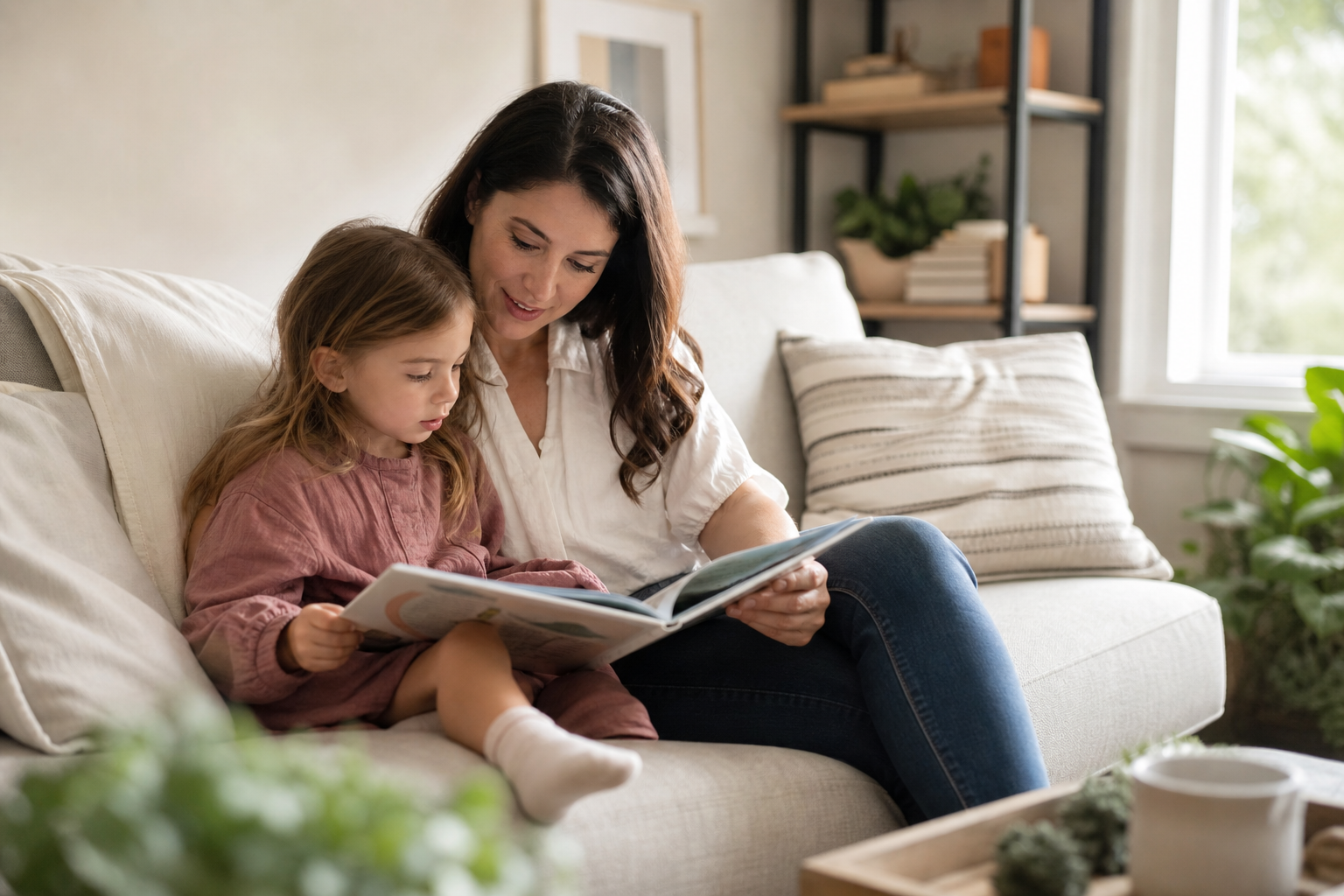
When parents feel they’re losing influence over their children to peer groups and social media, what’s often happening isn’t a character flaw—it’s an attachment problem. Maté and Neufeld’s framework directly addresses why children naturally orient toward peers when their primary attachment to parents feels insecure or absent.
What works
- It gives parents a completely different lens: the problem isn’t your child’s defiance—it’s a broken attachment bond that peers are filling. This shift alone reduces shame and opens up actual repair work.
- The distinction between peer orientation and healthy peer relationships is clinically precise and immediately practical. Parents can see exactly where the attachment has drifted and what small, concrete steps restore it.
- It’s deeply non-pathologizing. There’s no diagnosis, no behavior modification checklist—just an honest understanding of what children neurologically need from parents and what happens when they don’t get it.
What doesn’t
- It requires parents to examine their own attachment histories and capacity for vulnerability—the very thing many parents are least equipped to do under stress. This isn’t the book for someone looking for quick behavioral fixes.
- The framework works best with younger children and early adolescents. With teens already deeply embedded in peer culture or in crisis, this book provides understanding but may not feel immediately actionable.
I occasionally see parents pick this up hoping it will validate stricter boundaries or justify limiting their child’s social life, when the book is actually asking for the opposite: more presence, more vulnerability, more emotional availability. That misread can happen. But if you’re willing to sit with what Maté actually argues, Hold On to Your Kids reframes the whole problem.
More From This Series
- Gabor Maté’s Core Idea: Why We Sacrifice Who We Are to Keep Who We Love
- What Are the Five Regrets of the Dying, According to Gabor Maté?
- When the Body Says No: What Gabor Maté’s Work Taught Me About Stress and Illness
About This Article

Written by Sarah Mitchell. Sarah Mitchell isn't a therapist. She got interested in how the mind works after her own struggle with anxiety in her twenties, and has spent 16 years since then reading and personally testing cognitive behavioural therapy (CBT), acceptance and commitment therapy (ACT), and attachment-based approaches. Her writing combines that research with genuine compassion for how hard mental health struggles actually are. More about this site.
Scope and limits. Sarah is not a licensed therapist or clinician, and nothing here is a substitute for care. If you are in crisis or thinking about harming yourself, call or text 988 in the US to reach the Suicide & Crisis Lifeline.
Verify this against a primary source
Specifics change, and your situation may differ from the one described here. These are the authorities worth checking directly:
- NIMH — mental health research and condition information
- SAMHSA — treatment locator and the 988 Suicide & Crisis Lifeline
- American Psychological Association — evidence-based practice guidance