The Myth of External Silence
True tranquility is rarely found in external silence alone. We often chase a fantasy of perfect quiet. We believe that peace requires a soundproof room or a distant mountain. However, the chaos exists primarily within our own minds. Even in a silent cave, anxious thoughts can scream loudly. Therefore, a monk’s practice addresses the internal noise first.
They do not try to forcefully silence the world around them. Instead, they change their relationship with the noise. As a result, a loud car horn becomes just a sound. It is no longer a source of irritation. This shift in perspective is crucial for mental health. It transforms how we experience stress. Consequently, we stop fighting against our environment.
meditation in Motion
The monk’s discipline extends far beyond the meditation hall. In fact, their most profound practice often happens during daily chores. They sweep floors with the same reverence used for prayer. This concept is known as mindfulness in action. It suggests that every action is an opportunity for presence.
You can easily apply this ancient wisdom to your modern routine.
- Washing dishes: Feel the warm water and texture of the soap.
- Commuting: Notice the colors of the sky or passing cars.
- Walking: Pay close attention to the rhythm of your steps.
Furthermore, this approach turns mundane tasks into rituals. Life stops being a series of obstacles to rush through. It becomes a continuous flow of awareness.
The Cushion is a Training Ground
We must view formal, seated meditation differently. It is not merely an escape hatch from reality. Rather, it is a training ground for the mind. Think of the meditation cushion like a gymnasium. You lift weights to get strong for physical tasks. Similarly, you meditate to build mental resilience for emotional challenges.
Moreover, the real test begins the moment you stand up.
- Can you maintain that calm during a stressful meeting?
- Can you breathe deeply through a difficult conversation?
- Can you remain patient when technology fails?
Ultimately, the goal is to bring the temple into the marketplace. You must carry the sanctuary within you. Thus, peace becomes portable and accessible anywhere, regardless of the chaos outside.
True meditative mastery extends far beyond the practice hall. Monastic masters teach that meditation is not just an act. It is a continuous lifestyle. Every moment offers an opportunity for mindfulness. Therefore, we must integrate their timeless wisdom into our daily routines. We can transform our chaotic lives into sanctuaries of calm. We do not need to become monks to do this. We simply need to adopt their approach to living.
Embracing the Silence of Dawn
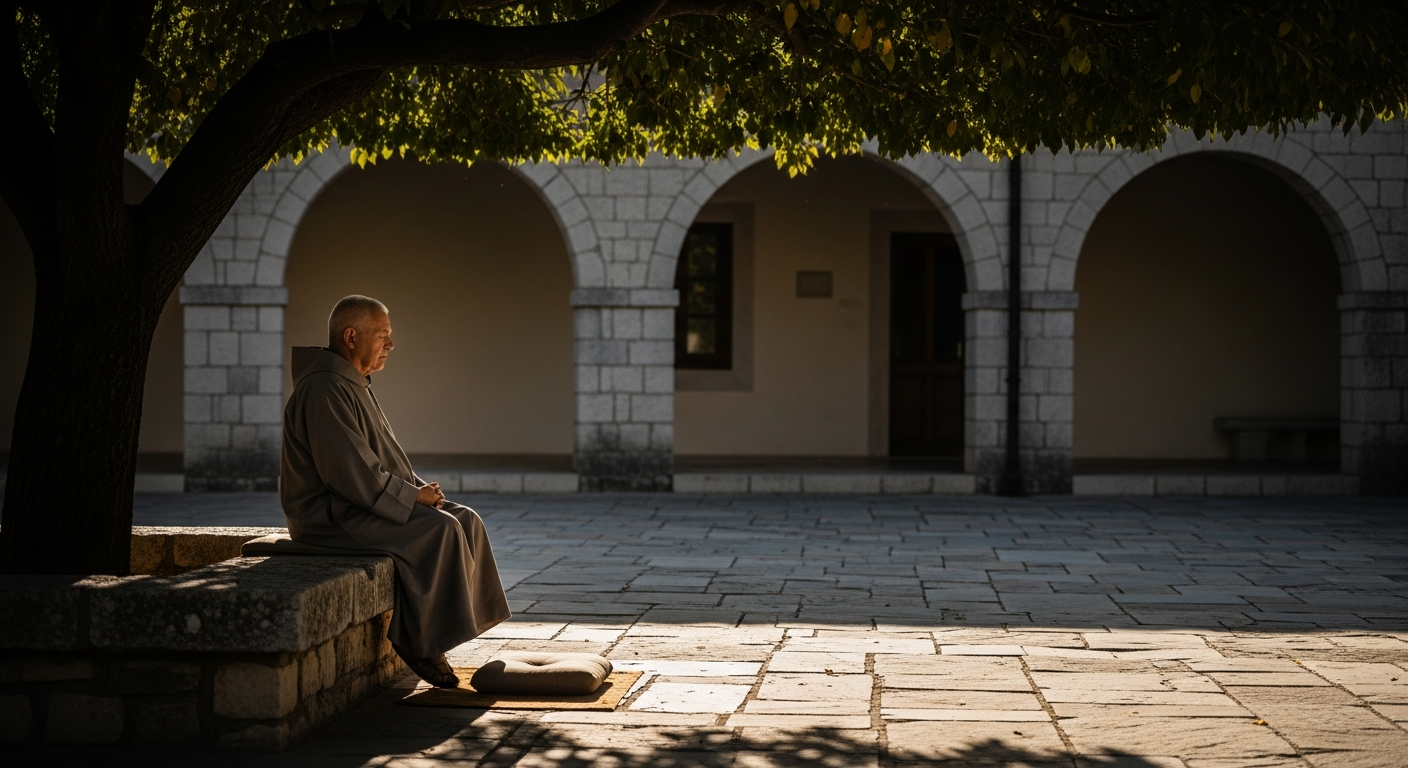
Most monastic communities follow a strict schedule. They rise well before the sun. This might seem difficult to the modern night owl. However, the pre-dawn hours hold a special power. The world is still asleep. The air feels cleaner and lighter. There are no cars on the road. No phones are ringing. This time creates a natural container for silence.
The Power of Small Adjustments
Many believe that spiritual growth requires extreme discipline or sleep deprivation. However, you do not need to adopt a harsh monastic schedule. The goal is consistency, not suffering. Therefore, a minor shift in your routine is sufficient. By waking just thirty minutes early, you create a buffer. This time protects you from the immediate rush of the day.
Additionally, this small window offers a rare opportunity for solitude. Most of the world is still asleep. Consequently, the energy in your home is quieter. You are not competing for attention or resources yet. This silence is a powerful tool for the mind. It allows your thoughts to settle before the chaos begins.
Escaping the Digital Trap
The modern world demands our constant attention. As a result, most people instinctively reach for their phones immediately upon waking. This habit is detrimental to your mental state. It floods your brain with external noise instantly. You are immediately reacting to others instead of centering yourself.
Instead, you must fiercely protect this morning sanctuary. Consider the following boundaries:
- Leave the phone in another room overnight.
- Buy an analog alarm clock to avoid touching screens.
- Commit to disconnect for the first thirty minutes of your day.
In contrast to a digital morning, a disconnected morning is peaceful. You remain the master of your attention. You decide what enters your mind first.
Cultivating Morning Stillness
Once you have secured this time, fill it with sensory awareness. For example, the preparation of tea can become a meditation itself. Listen to the water boil. Feel the warmth of the ceramic cup in your hands. Moreover, smell the aroma before you take a sip. These small details anchor you in the present moment.
Furthermore, visual observation is a profound grounding technique. Look out your window without judgment or analysis. Simply witness the transition from dark to light. Watch the colors of the sky shift slowly.
This practice builds a reservoir of calm. Consequently, you carry this stability with you throughout the day. When stress eventually arrives, you are less likely to react impulsively. You have already established a foundation of peace. Finally, you realize that the morning belongs to you, not the world.
Starting the day with intention changes your entire trajectory. Source You move from reactive to proactive. You control your morning, rather than letting the morning control you. Furthermore, this discipline builds mental fortitude. It trains the mind to overcome lethargy. . Thus, the morning becomes a sacred foundation for the rest of the day.
Creating a Sanctuary of Simplicity
Take a look around your current environment. Is your desk covered in papers? Is your bedroom filled with laundry? Physical clutter often manifests as mental clutter. Monastic cells are famous for their austerity. They contain only the absolute essentials. This is not because monks punish themselves. rather, they understand a key principle. External order supports internal clarity.
A chaotic room distracts the eye. Consequently, it distracts the mind. Every object calls for your attention. By reducing visual noise, you free up mental energy. You do not need to throw away everything you own. Start small. Choose one area to declutter today. Perhaps it is your nightstand or your kitchen table.
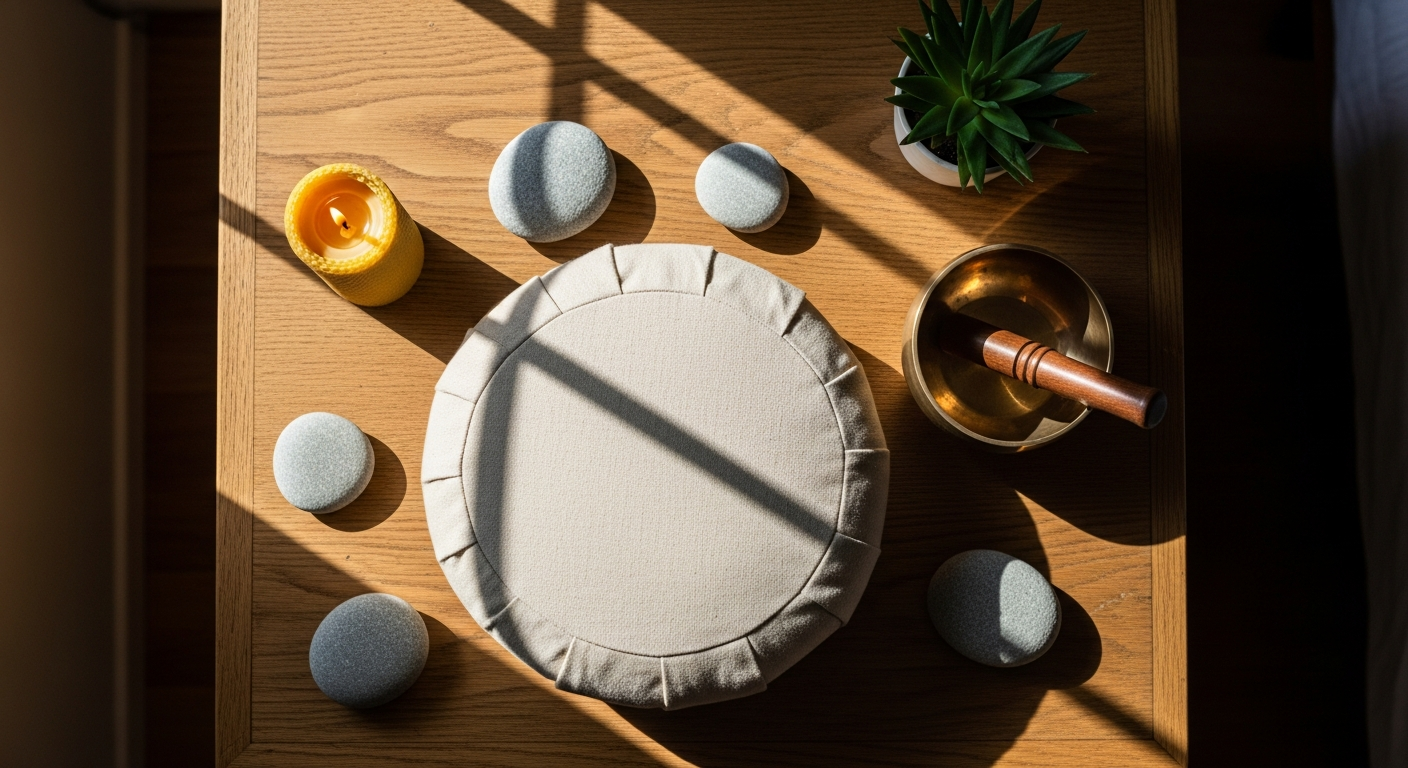
Clear the surface completely. Leave only what is beautiful or necessary. Notice how this space makes you feel. You will likely feel a sense of relief. A clear space invites a clear mind. It allows you to breathe. Moreover, the act of letting go is therapeutic. We often hold onto objects out of fear or attachment. Releasing them teaches us non-attachment. This is a core tenet of meditative philosophy. Therefore, cleaning becomes a spiritual practice in itself.
The Practice of Mindful Nourishment
Food is fuel for the body. Yet, we often treat it as an afterthought. We eat while driving to work. We shovel down lunch while typing emails. We snack mindlessly while watching television. As a result, we barely taste what we consume. We disconnect from the source of our energy.
Monastic traditions treat eating as a sacred ritual. In many Zen monasteries, meals are eaten in complete silence. This is called “oryoki.” The monks focus entirely on the act of eating. They express gratitude for the labor that produced the food. They chew slowly and thoroughly. They taste every flavor and feel every texture.
Source .
Try this at your next meal. Turn off the television. Put your phone in another room. Sit down at a table. Look at your food before you begin. Think about where it came from. Consider the sun, rain, and soil that nurtured the plants. Consider the farmers who harvested it. Then, take your first bite. Chew slowly. Put your fork down between bites. You will find that food tastes better. You will feel satisfied with less. This practice grounds you firmly in the present moment.
Transforming Chores into Meditation
Nobody likes doing chores. We view scrubbing toilets or washing dishes as tedious burdens. We rush through them to get to the “good stuff.” However, monastic masters flip this perspective. They view manual labor as “samu,” or work practice. It is an essential part of their training. They do not distinguish between holy meditation and humble cleaning.
Imagine sweeping a floor. Usually, your mind is elsewhere. You are planning your day or rehashing an argument. The monk, however, becomes one with the broom. They focus on the movement of their arms. They listen to the sound of the bristles against the wood. They do not rush to finish. The goal is not just a clean floor. The goal is a polished mind.
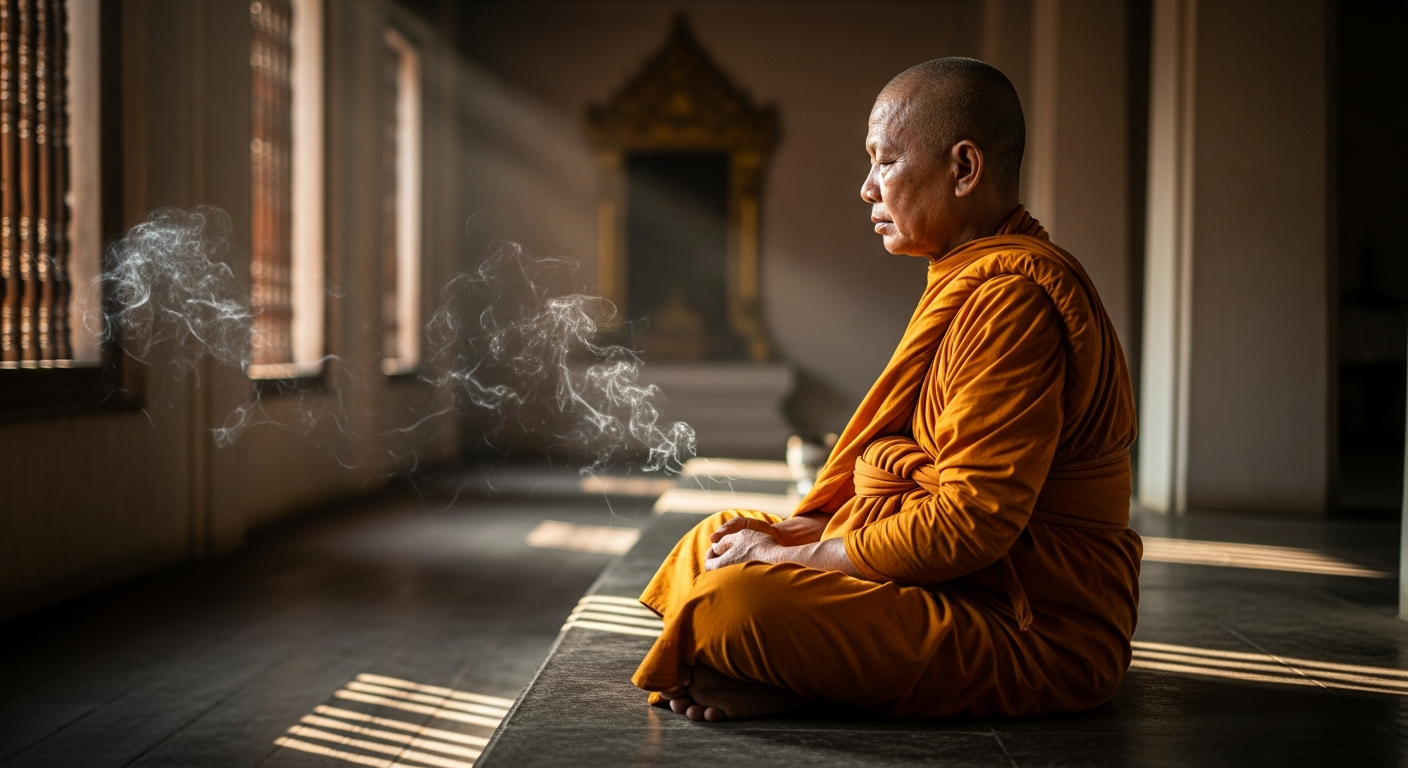
Apply this to your daily tasks. When you wash dishes, feel the warm water. Smell the soap. Feel the smoothness of the plates. Do not let your mind wander to the future. Stay right there at the sink. Suddenly, the chore ceases to be a burden. It becomes an anchor. It pulls you out of your anxious thoughts. Therefore, you find peace in the mundane. You realize that you do not need to escape your life to find zen. You find it right in the middle of your laundry pile.
Cultivating the Attitude of Gratitude
Monks often live with very few possessions. They own a robe, a bowl, and perhaps a few books. Despite this, they often radiate joy. This seems contradictory to our consumerist culture. We are taught that happiness comes from acquiring more. We want the new phone, the bigger car, the promotion. Yet, the finish line always moves.
The Foundation of Inner Wealth
True wealth is rarely found in material possessions. Instead, it flourishes within a quiet, appreciative mind. Monks understand this profound truth deeply. Consequently, they anchor their daily practice in thankfulness. They do not look outside themselves for satisfaction. Rather, they turn inward to acknowledge the miracle of existence. This internal focus creates a fortress of peace. Therefore, external chaos cannot easily shake their composure.
Furthermore, this mindset requires constant cultivation. It is not a passive state of being. You must actively choose to see the good. For instance, a monk views a simple meal as a treasure. They recognize the labor and nature required to produce it. As a result, every bite becomes a moment of connection.
Finding Joy in Essentials
We often overlook the most basic elements of survival. However, these essentials are actually profound miracles. Consider the rhythmic nature of your breathing. It sustains you constantly without any conscious effort. Yet, we rarely pause to offer thanks for it. A master, in contrast, treats every inhale as a distinct blessing.
Additionally, this appreciation extends to our physical environment. We should value the safety of our homes. The walls around us offer protection and warmth. Similarly, the community supports our emotional well-being. Monks cherish the Sangha, or community, as a vital pillar of life.
To practice this, try acknowledging these basics daily:
- The air: Feel it fill your lungs with energy.
- The shelter: Touch the walls that keep you safe.
- The water: Taste the purity that sustains life.
- The silence: Enjoy the moments of quiet between thoughts.
Breaking the Cycle of Wanting
Modern society constantly highlights what is missing. Consequently, we feel a nagging sense of emptiness. We chase the next purchase or achievement endlessly. Unfortunately, this pursuit often leads to anxiety. The finish line always moves further away. Therefore, living in scarcity becomes a trap.
On the other hand, gratitude halts this exhausting cycle immediately. It illuminates the richness already present in your life. You suddenly realize you have enough. Moreover, you realize you are enough. This realization is the essence of abundance.
Finally, this shift changes your energy completely. You stop begging the universe for more. Instead, you start vibrating with fullness and joy. This is the ultimate freedom taught by the masters.
Start a simple gratitude practice. Every evening, identify three things you are thankful for. They do not need to be grand achievements. Be thankful for a hot shower. Be thankful for a delicious cup of coffee. Be thankful for a friend’s text message. Write them down. This rewires your brain. You begin to scan your day for positives rather than negatives. Consequently, your stress levels decrease. You become more resilient. A grateful heart is a peaceful heart.
Integrating Wisdom into Modern Life
The gap between the monastery and the modern world is bridgeable. You do not need to shave your head or wear robes. You simply need to bring intention to your actions. Meditation is not an escape from reality. It is a way to engage with reality more fully.
Start with one of these practices. Maybe you wake up fifteen minutes earlier tomorrow. Maybe you eat your lunch in silence. Maybe you clean your desk with full attention. These small steps accumulate. Over time, they create a profound shift. You will find that the stillness you seek is already within you. You just needed to clear away the noise to find it.
What I Recommend
After years of sitting with clients and practicing meditation myself, I’ve learned that proper posture support makes an enormous difference in your ability to stay present. A quality meditation cushion elevates your hips and naturally aligns your spine, so you’re not fighting discomfort while trying to calm your mind. It’s one of those small investments that removes a major barrier to a consistent practice.
If you prefer a bit more versatility in your meditation setup, this meditation cushion offers excellent support and works well whether you’re sitting on the floor or need to adjust your height throughout your practice. I’ve recommended it to many clients who find their knees or lower back need extra care.
The monks I’ve learned from often use sound as an anchor for meditation, and crystal singing bowls create that same resonant quality that helps deepen your focus. The vibrations genuinely settle something in your nervous system, making them a beautiful tool for both beginning and deepening your practice.
A simple hand chime serves the same purpose with more subtlety—one gentle ring to mark the beginning or end of your meditation, or to gently bring you back when your mind has wandered. Many of my clients find this ritual helps them transition into a meditative state more easily.
One of the simplest practices monastics teach is mindful tea preparation, and an electric kettle lets you focus on the ritual itself rather than managing temperature and timing. It’s a small way to bring meditation into your daily routine.
Sharing tea is a sacred practice in many monastic traditions, and a beautiful tea gift set invites mindfulness into your evening. Whether you’re meditating alone or with others, quality tea becomes a gentle anchor for presence.
Creating a dedicated meditation space is important, and a desk organizer helps you keep your meditation area clean and intentional. A tidy space naturally supports a tidy mind.
Similarly, storage bins are practical for keeping your meditation cushion, journals, and other supplies neatly contained when not in use. This kind of order actually supports the mental clarity you’re cultivating on the cushion.
Many contemplative traditions emphasize beginning your day with intention, and a sunrise alarm clock naturally wakes you before the world gets loud. Meditating in those quiet morning hours—as monks have for centuries—truly transforms your entire day.
Keeping a gratitude journal after your meditation practice deepens what you’ve cultivated on the cushion. This simple habit of noting what you’re grateful for extends your mindfulness into the rest of your life in meaningful ways.
*As an Amazon Associate, I earn from qualifying purchases.
Related Posts
Monastic Wisdom: Ancient Meditation Techniques for Modern Life
Understanding the Restless Mind Our thoughts never seem to stop…

Timeless Wisdom: A Monk’s Guide to Finding Inner Peace Through Meditation
Understanding the Foundation of Mental Clarity Many people struggle to…