The Science Behind Everyday Connection
Attachment theory reveals that children thrive when they feel genuinely seen, heard, and valued by their caregivers. This isn’t about perfection—it’s about presence. When you consistently respond to your child’s needs with warmth and reliability, you’re literally shaping their developing brain architecture.
Gryphon Tower Super-Fast Mesh WiFi Router â Advanced Firewall Security, Parental Controls, and Content Filters â Tri-Band 3 Gbps, 3000 sq. ft. Full Home Coverage per Mesh Router offers advanced controls for managing circle home, giving you comprehensive tools to monitor and limit device usage. Gryphon Tower Super-Fast Mesh WiFi Router â Advanced Fire…. Where learning meets fun provides valuable support and resources for amazon fire, offering practical tools and insights to help you on your journey. Where learning meets fun. Don’t Miss a Beat with Stylish & Functional Timers helps you manage and monitor visual timer, providing practical tools to establish healthy boundaries and routines. Don’t Miss a Beat with Stylish & Functional Timers. TickTalk5 Smart Watch for Kids with GPS Tracker, Video Calling, Texting, and Parental App, 4G Smartwatch with Free Music, Phone Calls, and Reminders for Kids Ages 3-12 provides a physical solution for managing kids smartwatch, helping you create intentional boundaries and reduce distractions. TickTalk5 Smart Watch for Kids with GPS Tracker, Video Ca…. JoyCat Kids Learning Tablet: 156 Pages Tap-to-Read Flash Cards with 20 Listen & Find Games, Montessori Toy for Alphabet, Phonics, Words, Simple Math, Colors, Shapes & Songs – Autism Gifts (Ages 2-6) provides valuable support and resources for carrots cake, offering practical tools and insights to help you on your journey. JoyCat Kids Learning Tablet: 156 Pages Tap-to-Read Flash …. Small Weekly Calendar Dry Erase Whiteboard for Wall, 16″ x 12″ Magnetic Dry Erase Board, Hanging Double-Sided White Board, Portable Board for List, Kitchen, Planning, Memo, Home, Office provides valuable support and resources for family schedule, offering practical tools and insights to help you on your journey. Small Weekly Calendar Dry Erase Whiteboard for Wall, 16″ …. 3 Pack Kid Blue Light Glasses For Kids Girls Boys Computer Blue Light Kids Glasses Clear Glasses Age 3-9 (Black + Dark blue + Light blue) protects your eyes from harmful blue light exposure, reducing eye strain and supporting better sleep quality during screen time. 3 Pack Kid Blue Light Glasses For Kids Girls Boys Compute…. Timed Lock Box-Boost Your Mental Wellness provides valuable support and resources for phone lockbox, offering practical tools and insights to help you on your journey. Timed Lock Box-Boost Your Mental Wellness. Protect Your Network with Cutting-Edge Firewalls provides valuable support and resources for router parental, offering practical tools and insights to help you on your journey. Protect Your Network with Cutting-Edge Firewalls. Screen Time Tokens – Clip To Rewards – Behavior Management Tool – Positive Reinforcement helps you manage and monitor screen time, providing practical tools to establish healthy boundaries and routines. Screen Time Tokens – Clip To Rewards – Behavior Managemen…. MSTJRY Charging Station for Multiple Devices : 6 Port USB Charger Stations – Family Multi-Device Organizer Charging Dock – Designed for iPhone iPad Android Cell Phone Tablet and Electronic, Black provides a physical solution for managing phone charging, helping you create intentional boundaries and reduce distractions. MSTJRY Charging Station for Multiple Devices : 6 Port USB…. Hands-On Learning, Without the Screen provides valuable support and resources for educational apps, offering practical tools and insights to help you on your journey. Hands-On Learning, Without the Screen. The Attachment Theory Workbook: Powerful Tools to Promote Understanding, Increase Stability, and Build Lasting Relationships (Attachment Theory in Practice) provides practical exercises and insights to help you understand and work through attachment theory challenges, offering structured guidance for personal growth and healing. The Attachment Theory Workbook: Powerful Tools to Promote…. How To Heal An Anxious Attachment Style: A Self Therapy Journal to Conquer Anxiety & Become Secure in Relationships provides practical exercises and insights to help you understand and work through healing anxious challenges, offering structured guidance for personal growth and healing. How To Heal An Anxious Attachment Style: A Self Therapy J…. When Emotions Are Intense, You Need The Right Tool provides valuable support and resources for attachment theory, offering practical tools and insights to help you on your journey. When Emotions Are Intense, You Need The Right Tool. Anxious, Avoidant, and Disorganized Attachment Recovery Workbook: Apply Attachment Theory to Understand Your Behavior Patterns, Improve Emotional Regulation, and Build Secure & Healthy Relationships provides practical exercises and insights to help you understand and work through avoidant disorganized challenges, offering structured guidance for personal growth and healing. Anxious, Avoidant, and Disorganized Attachment Recovery W…. Overcoming Insecure Attachment: 8 Proven Steps to Recognizing Anxious and Avoidant Attachment Styles and Building Healthier, Happier Relationships provides valuable support and resources for insecure to, offering practical tools and insights to help you on your journey. Overcoming Insecure Attachment: 8 Proven Steps to Recogni…. Disorganized Attachment: Move Beyond Your Fear of Abandonment, Intimacy, and Build a Secure Love Connection provides valuable support and resources for disorganized attachment, offering practical tools and insights to help you on your journey. Disorganized Attachment: Move Beyond Your Fear of Abandon…. Attached: The New Science of Adult Attachment and How It Can Help You Find–and Keep–Love provides valuable support and resources for attachment theory, offering practical tools and insights to help you on your journey. Attached: The New Science of Adult Attachment and How It …. Attached: The New Science of Adult Attachment and How It Can Help You Find–and Keep–Love provides valuable support and resources for attachment styles, offering practical tools and insights to help you on your journey. Attached: The New Science of Adult Attachment and How It …. When Emotions Are Intense, You Need The Right Tool provides valuable support and resources for attachment theory, offering practical tools and insights to help you on your journey. When Emotions Are Intense, You Need The Right Tool. When Emotions Are Intense, You Need The Right Tool provides valuable support and resources for attachment theory, offering practical tools and insights to help you on your journey. When Emotions Are Intense, You Need The Right Tool. The Attachment Theory Journal: Prompts and Exercises to Promote Understanding, Increase Stability, and Build Relationships That Last (Attachment Theory in Practice) provides practical exercises and insights to help you understand and work through attachment theory challenges, offering structured guidance for personal growth and healing. The Attachment Theory Journal: Prompts and Exercises to P…. Handbook of Attachment: Theory, Research, and Clinical Applications offers comprehensive information and strategies for navigating attachment theory, providing valuable insights and practical advice for your journey. Handbook of Attachment: Theory, Research, and Clinical Ap…. Attached: The New Science of Adult Attachment and How It Can Help You Find–and Keep–Love provides valuable support and resources for attachment theory, offering practical tools and insights to help you on your journey. Attached: The New Science of Adult Attachment and How It ….
As an Amazon Associate, I earn from qualifying purchases.
Consider these everyday moments that build secure attachment:
**Micro-Moments of Connection**
- Morning rituals: A special handshake, singing their favorite song while getting dressed, or sharing what you’re both looking forward to that day
- Transition times: Offering a hug before school drop-off or creating a special “coming home” greeting that signals safety and joy
- Bedtime routines: Reading stories with different voices, sharing three good things from the day, or simply lying together in comfortable silence
**The Power of Attunement**
Attunement means truly tuning into your child’s emotional frequency. When your toddler melts down over a broken cookie, instead of dismissing their feelings, you might say: “That broken cookie is really upsetting! You wanted it to be whole.” This validation doesn’t spoil them—it teaches them that their emotions matter and that you’re someone who understands.
Creating Your Family’s Unique Connection Language
Every family develops its own attachment vocabulary—special ways of communicating love and safety that become deeply meaningful over time.
**Examples of Connection Rituals**
- The “Special Time” Tradition
- Dedicate 10-15 minutes of uninterrupted, child-led play daily
- Put away phones and follow their lead completely
- This communicates: “You are worth my full attention”
- Emotional Check-ins
- Create a simple feelings chart or use emoji faces
- Ask: “What’s happening in your heart today?”
- Share your own emotions appropriately: “I felt frustrated in traffic, but I feel calm now that I’m home with you”
- Physical Connection Points
- Welcome-home hugs that last until the child pulls away first
- Gentle back rubs during story time
- High-fives for effort, not just achievement
**The Repair Process: When Things Go Wrong**
Secure attachment doesn’t require perfect parenting. In fact, rupture and repair cycles actually strengthen bonds when handled well. When you lose your temper or miss an emotional cue:
- Acknowledge: “I raised my voice and that felt scary”
- Take responsibility: “That was about my stress, not about you being bad”
- Reconnect: “How can we try this again?”
Building Their Internal Compass
Through these consistent, loving interactions, you’re helping your child develop what psychologists call an internal working model—their blueprint for relationships and self-worth. Children with secure attachment learn:
- “I am worthy of love” (through your consistent care)
- “The world has safe people in it” (through your reliability)
- “I can handle challenges” (because you’ve been their secure base during difficulties)
- “My feelings matter” (through your empathetic responses)
This foundation becomes the lens through which they’ll view friendships, romantic relationships, and their own parenting journey decades later. The simple act of getting down on their level to listen to a story about their day isn’t just nice—it’s neurologically transformative.
Experts in child development emphasize that these connections are forged in the small, everyday interactions. Source . Therefore, focusing on quality time, even in short bursts, can have a profound impact. This guide offers practical and enjoyable activities to help you strengthen that special parent-child bond.
The Magic of Shared Stories and Routines
Reading together is a classic bonding activity for a reason. Cuddling up with a book creates a cozy, shared world. It’s a quiet time dedicated solely to connection. To make it even more effective, engage your child in the story. Ask questions like, “What do you think will happen next?” or “How do you think that character feels?” This turns passive listening into an active, shared experience. Furthermore, you can encourage them to point to pictures and name objects, which also supports their language development.

Beyond books, creating your own stories is a wonderful way to connect. Start a story with a silly sentence and have your child add the next part. This back-and-forth game sparks creativity and laughter. It also shows your child that you value their ideas. Similarly, establishing predictable routines, like a special handshake or a consistent bedtime ritual, builds a sense of security. These small traditions become anchors in their day, reinforcing your stable presence in their life.
Connecting Through Play and Laughter
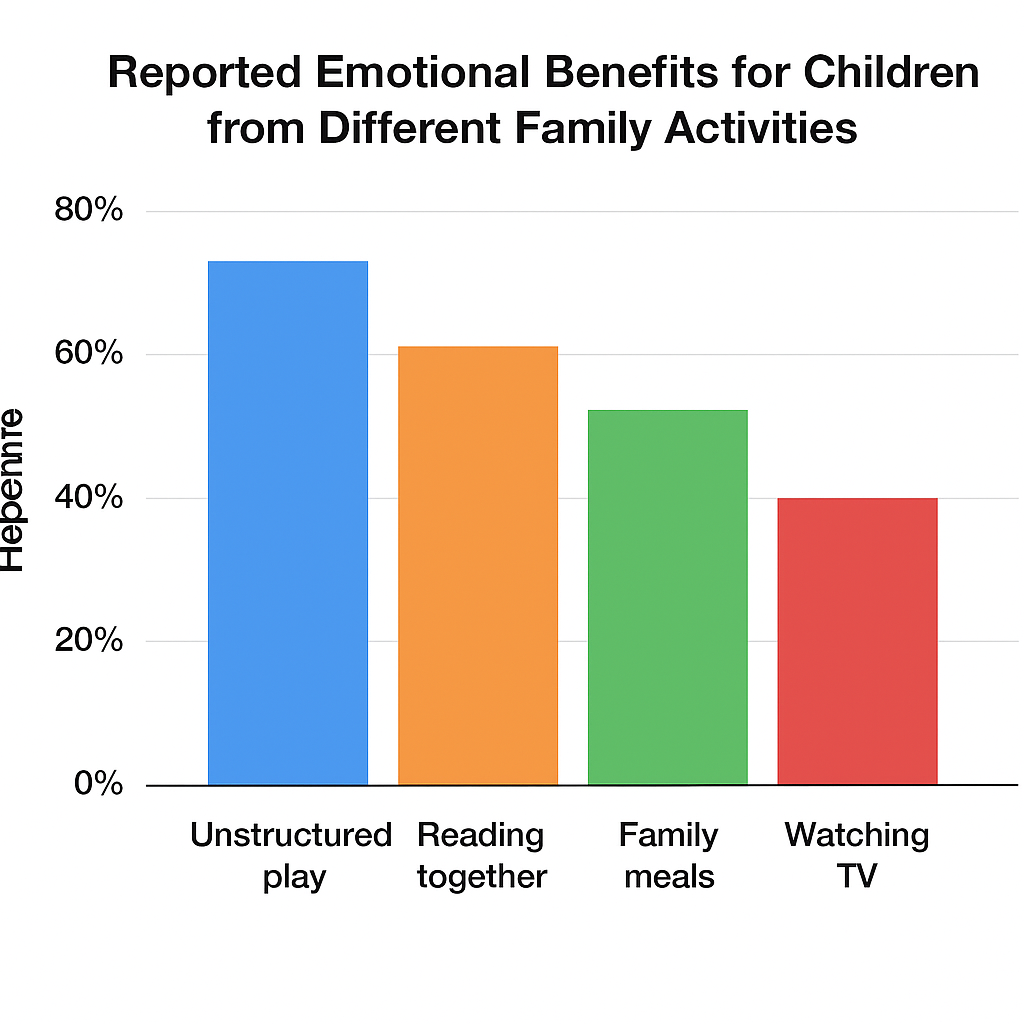
Play is the natural language of children. Engaging in play with your child sends a powerful message: “I see you, and I want to join your world.” This doesn’t require complex toys. Simple, interactive games often create the strongest connections. For instance, playing a game of hide-and-seek or building a fort with blankets and pillows fosters teamwork and shared joy. These activities rely on cooperation and mutual engagement, which are cornerstones of a secure attachment.
Physical play is also incredibly important. Gentle wrestling, tickle fights, or dancing to music in the living room can release feel-good endorphins for both of you. This type of play helps children learn about boundaries in a safe environment. Moreover, it creates positive memories associated with physical closeness. Board games or card games offer another avenue for connection, teaching valuable skills like taking turns and handling friendly competition. The key is to focus on the fun of playing together, not on winning or losing.
Sensory and Creative Exploration
Creating Meaningful Sensory Connections Through Everyday Activities
Sensory engagement serves as a powerful bridge between parent and child, offering opportunities to strengthen attachment bonds while providing essential developmental benefits. When children engage multiple senses simultaneously, their nervous systems naturally regulate, creating an optimal state for connection and learning.
The Science Behind Sensory Bonding
Tactile experiences trigger the release of oxytocin – often called the “bonding hormone” – in both children and caregivers. This neurochemical response:
- Reduces cortisol levels (stress hormone)
- Enhances emotional regulation
- Strengthens neural pathways associated with trust and security
- Promotes co-regulation between parent and child
Expanding Your Sensory Activity Toolkit
Kitchen Adventures Beyond Baking:
- Homemade pasta making – Rolling, cutting, and shaping dough while discussing textures
- Fruit salad preparation – Exploring different textures, colors, and aromas together
- Bread kneading – A rhythmic, meditative activity that encourages conversation
- Ice cream in a bag – Combining science with sensory exploration
Creative Sensory Bins for Different Ages:
Toddlers (18 months – 3 years):
- Large pasta shapes with scoops and containers
- Water beads in sealed bags for safe exploration
- Shredded paper with hidden treasures
Preschoolers (3-5 years):
- Themed bins (ocean with blue rice and sea creatures)
- Kinetic sand with miniature construction tools
- Dried beans with tweezers for fine motor development
School-age (6+ years):
- Archaeological digs using sand and buried “artifacts”
- Texture matching games with various fabric scraps
- Scented play dough made from scratch together
Building Confidence Through Collaborative Success
Each shared sensory experience becomes a confidence-building milestone. When a child successfully:
- Measures ingredients without spilling
- Creates recognizable shapes from clay
- Discovers hidden objects in sensory bins
- Helps clean up materials afterward
They internalize messages of capability and competence. Your presence during these moments communicates: “You are worthy of my time and attention. Your efforts matter to me.”
Recognizing Stress Signals and Sensory Solutions
High-stress indicators in children:
- Increased fidgeting or restlessness
- Difficulty following directions
- Emotional outbursts over minor issues
- Withdrawal from typical activities
Immediate sensory interventions:
- Heavy work activities like kneading or rolling
- Deep pressure input through play dough squeezing
- Rhythmic movements while stirring or mixing
- Temperature contrasts using warm and cool materials
The Partnership Principle in Action
True partnership emerges when both parent and child contribute meaningfully to the activity. This might look like:
Age-appropriate role distribution:
- Ages 2-3: Child adds pre-measured ingredients while parent guides
- Ages 4-5: Child measures with supervision while parent manages timing
- Ages 6+: Child leads portions of the activity while parent provides support
Creating Calm in the Storm
During particularly challenging days, sensory activities become emotional anchors. The repetitive motions of stirring, the satisfying squish of dough, or the gentle sound of rice moving through fingers can shift a child’s entire emotional state.
Quick sensory reset activities (5-10 minutes):
- Hand massage with lotion while talking softly
- Playing with stress balls or fidget toys together
- Creating simple patterns in a sand tray
- Gentle brushing of arms or back with different textures
These moments of sensory connection don’t just calm the immediate situation – they build a library of positive associations your child can draw upon during future stressful experiences, knowing that comfort and connection are always available.
Art projects offer another wonderful opportunity for bonding. Get out some paper and paints and simply create side-by-side. You don’t need to produce a masterpiece. The goal is the shared creative process. You can talk about the colors you are using or what you are drawing. This low-pressure environment encourages self-expression for both you and your child. Ultimately, these creative moments are less about the final product and more about the positive experience you build together.
Adventures in the Great Outdoors
Stepping outside provides a change of scenery and endless opportunities for connection. A simple walk around the neighborhood can become an adventure. You can go on a “treasure hunt” to find interesting leaves, rocks, or flowers. This encourages observation and curiosity about the world. Pointing out the sights and sounds around you helps your child feel more connected to their environment and to you as their guide.

Visiting a local park or playground is another excellent choice. Pushing your child on the swing or climbing the play structure with them shows your active involvement in their fun. These actions build trust and create joyful memories. For a bigger adventure, consider a simple picnic or a hike on an easy trail. Being in nature has a calming effect and provides a break from daily distractions. Consequently, it allows for more focused, quality time where you can talk, laugh, and explore side-by-side.
Conclusion: The Power of Presence
Strengthening your bond with your child does not require a complicated formula. It thrives on consistent, loving presence. The activities you choose are simply vehicles for connection. The most important element is your focused attention and genuine engagement. Whether you are reading a book, building with blocks, or taking a walk, being fully present is what truly matters.
Remember to choose activities that you both genuinely enjoy. Your enthusiasm is contagious and will make the time more special. Overall, these small, repeated moments of connection accumulate over time. They build a resilient, secure attachment that will support your child throughout their entire life. Your presence is the greatest gift you can give them.
Related Posts

Understanding Attachment Theory in Children: A Parent’s Guide
The bond you share with your child is one of…

Attachment Styles in Early Childhood: What Every Parent Needs to Know
The bond you share with your child is one of…

Healing Insecure Attachment: A Path to Secure Relationships
The Science Behind Your Relationship Patterns Attachment theory, developed by…